
Moringa Farming
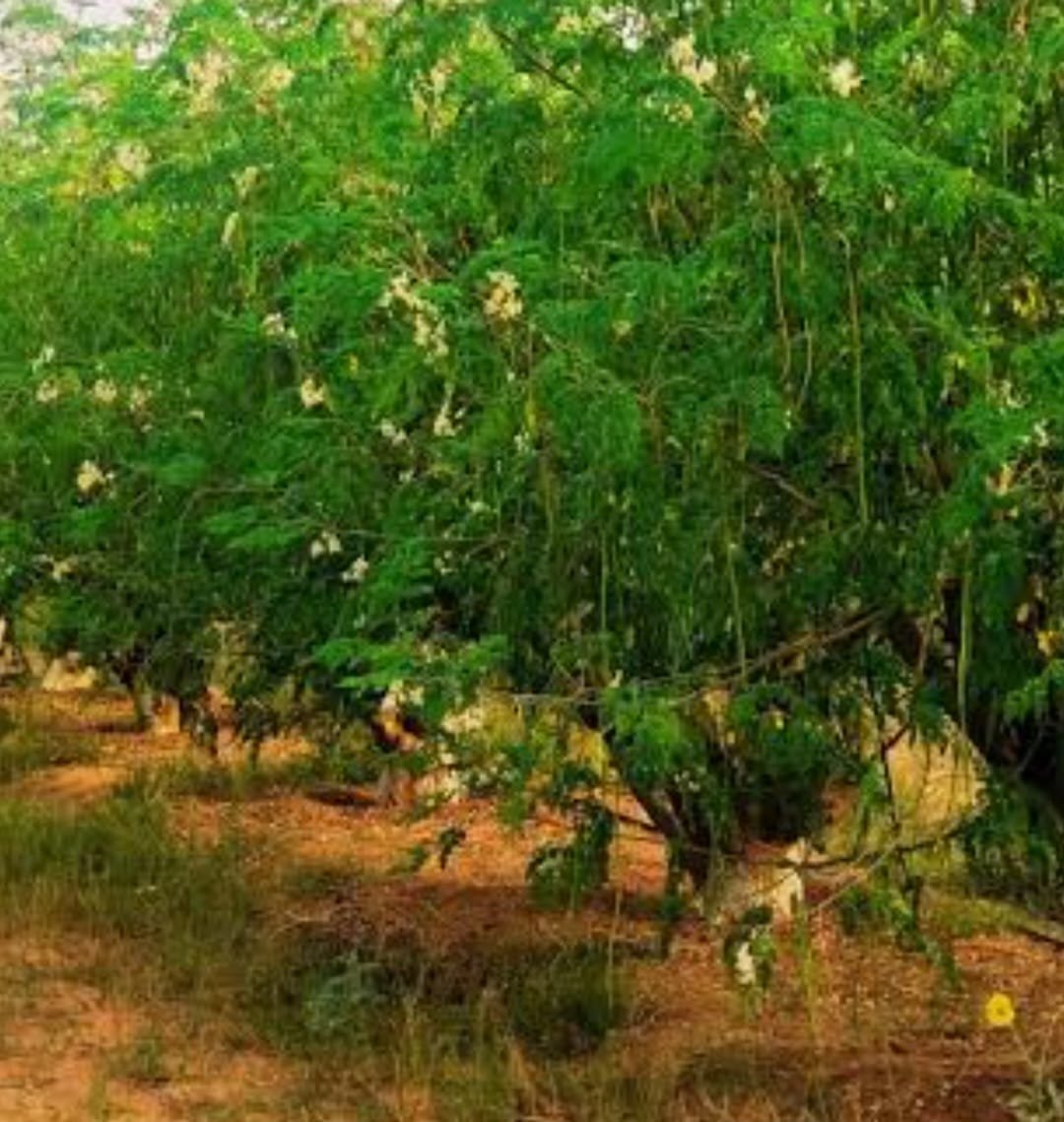
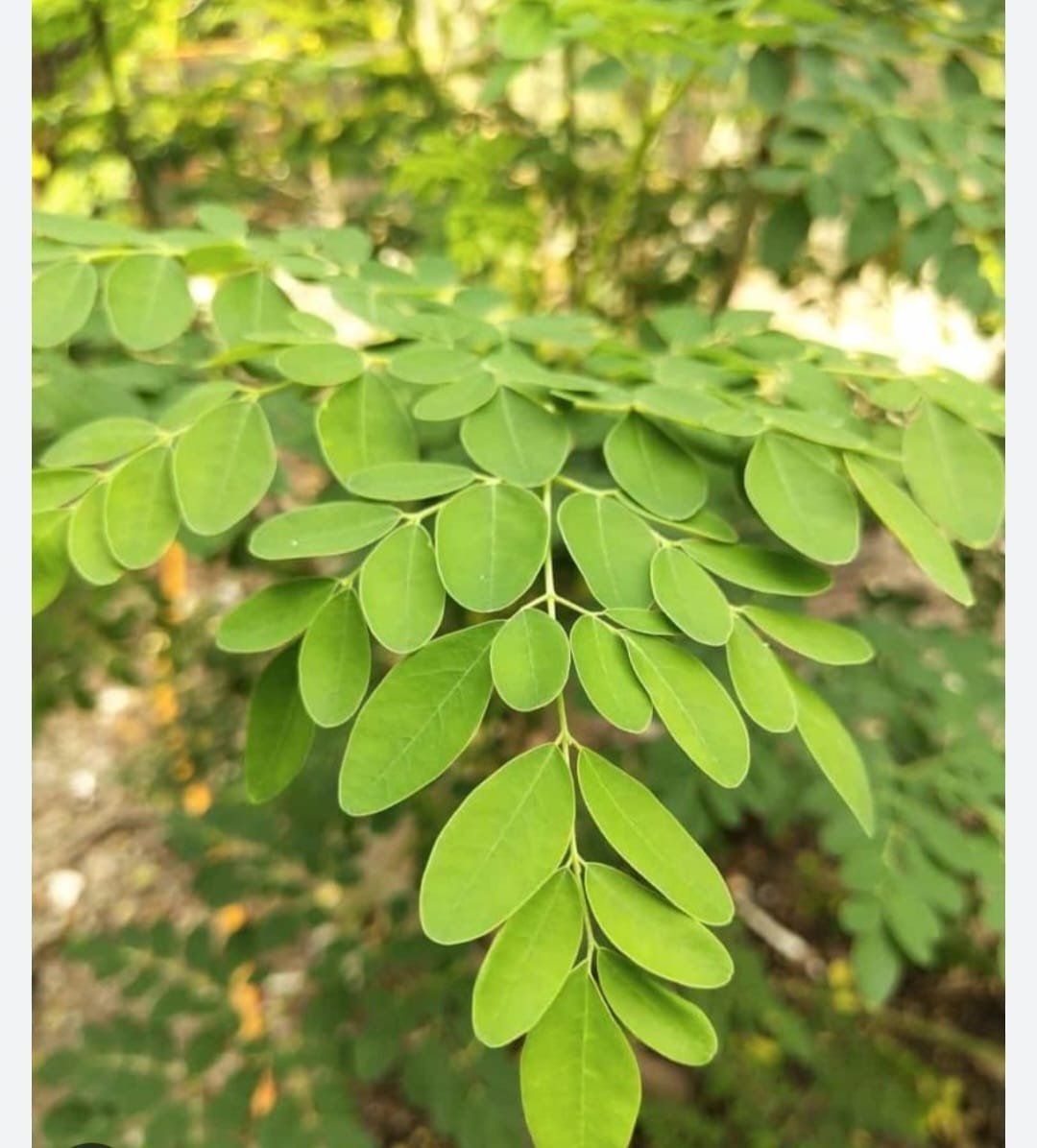
Moringa farming is the cultivation of Moringa oleifera, a fast-growing and versatile tree valued for its leaves, pods, and seeds. Also known as the drumstick tree, moringa is cultivated in many warm and tropical regions because of its adaptability and multiple uses.
Moringa leaves are commonly processed into products such as moringa leaf powder, while the pods and seeds are also used in food and other applications. With suitable soil, climate and proper agricultural practices, moringa can be cultivated as a productive crop for both farmers and processors.
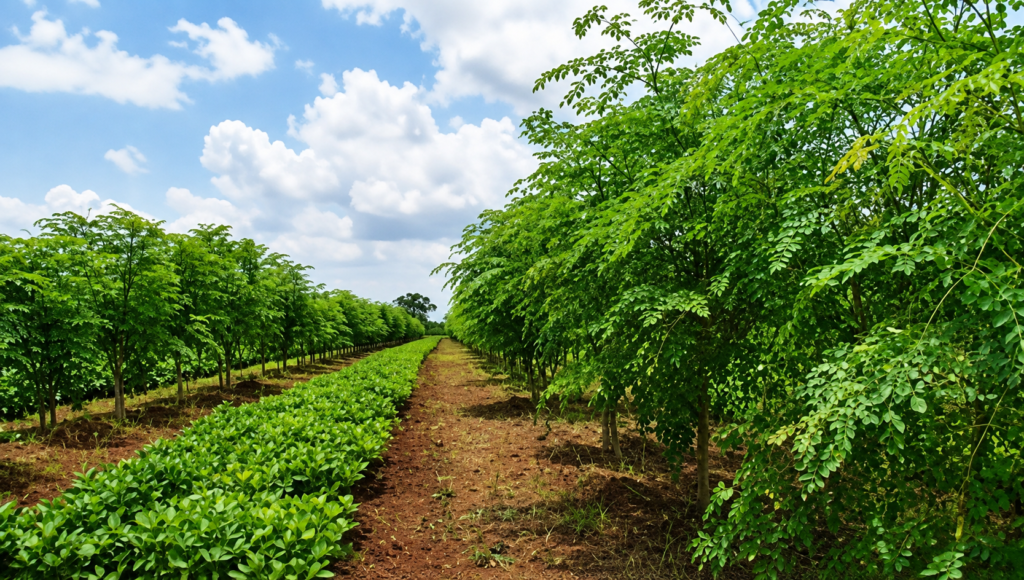
What Is Moringa Farming?
Moringa farming involves growing moringa trees under suitable climatic and soil conditions and managing them through different stages of cultivation. Farmers generally grow moringa for its leaves, drumsticks (pods), seeds, or a combination of these.
The plant is known for its rapid growth and ability to adapt to warm climates. Proper farm management, irrigation, pruning, and harvesting practices are important for maintaining healthy plants and consistent production.
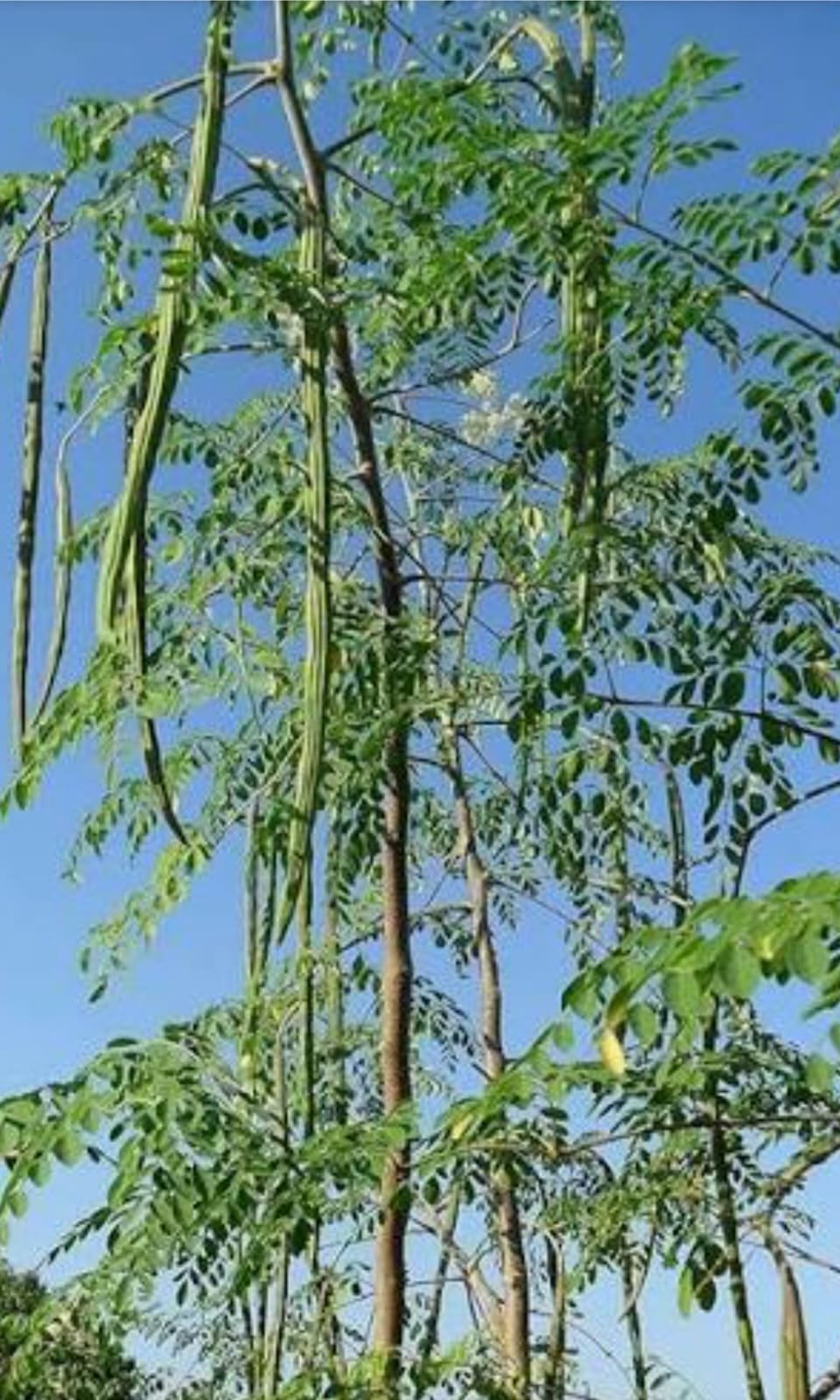
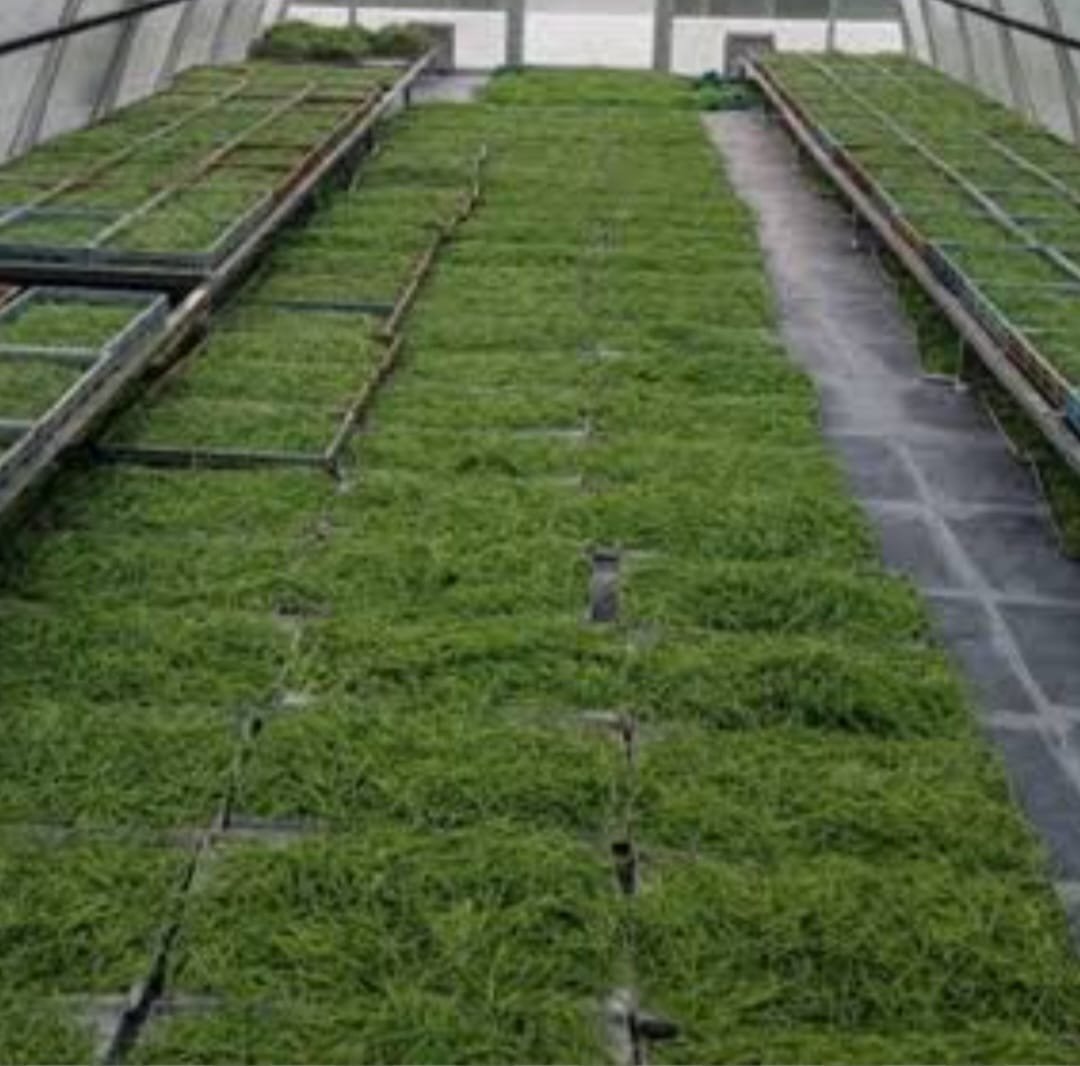
Ideal Climate for Moringa Farming
Moringa grows well in warm and tropical conditions. It generally prefers plenty of sunlight and performs best where temperatures remain warm for most of the growing season.
Good sunlight, suitable rainfall, and protection from prolonged waterlogging are important factors when selecting land for moringa cultivation.
Soil Requirements for Moringa Cultivation
Moringa can grow in different soil types, but well-drained soil is generally preferred. Waterlogged conditions can negatively affect plant growth and root development.
Before planting, farmers should prepare the land properly and ensure adequate drainage. Soil testing can also help determine the nutritional requirements of the field and support better crop management.
Moringa Planting and Cultivation
The basic process of moringa farming generally includes:
1. Land Preparation
The land is cleared and prepared before planting. Proper drainage and suitable soil conditions should be established to support healthy root development.
2. Seed or Cutting Selection
Moringa can be propagated through seeds or stem cuttings. Selecting healthy planting material is an important step in establishing a productive crop.
3. Planting
Seeds or suitable cuttings are planted according to the cultivation method and purpose of production. Appropriate spacing allows plants to receive sufficient sunlight, air circulation and growing space.
4. Irrigation
Water requirements depend on factors such as climate, soil type and plant growth stage. Controlled irrigation can help maintain suitable soil moisture, while excessive watering should be avoided.
5. Weeding and Farm Management
Regular removal of unwanted weeds helps reduce competition for water, nutrients and sunlight. Farmers should also monitor plants regularly for signs of pests, diseases or nutrient deficiencies.
6. Pruning
Pruning can encourage branching and help maintain the desired plant shape and height. It can also make harvesting easier, particularly when moringa is cultivated primarily for its leaves.
Harvesting Moringa
Harvesting practices depend on the purpose of cultivation. When moringa is grown for leaf production, young leaves and shoots may be harvested periodically. For pod production, mature pods are harvested at the appropriate stage.
Careful harvesting helps minimize damage to the plants and supports continued production.
Moringa Farming for Leaf Powder Production
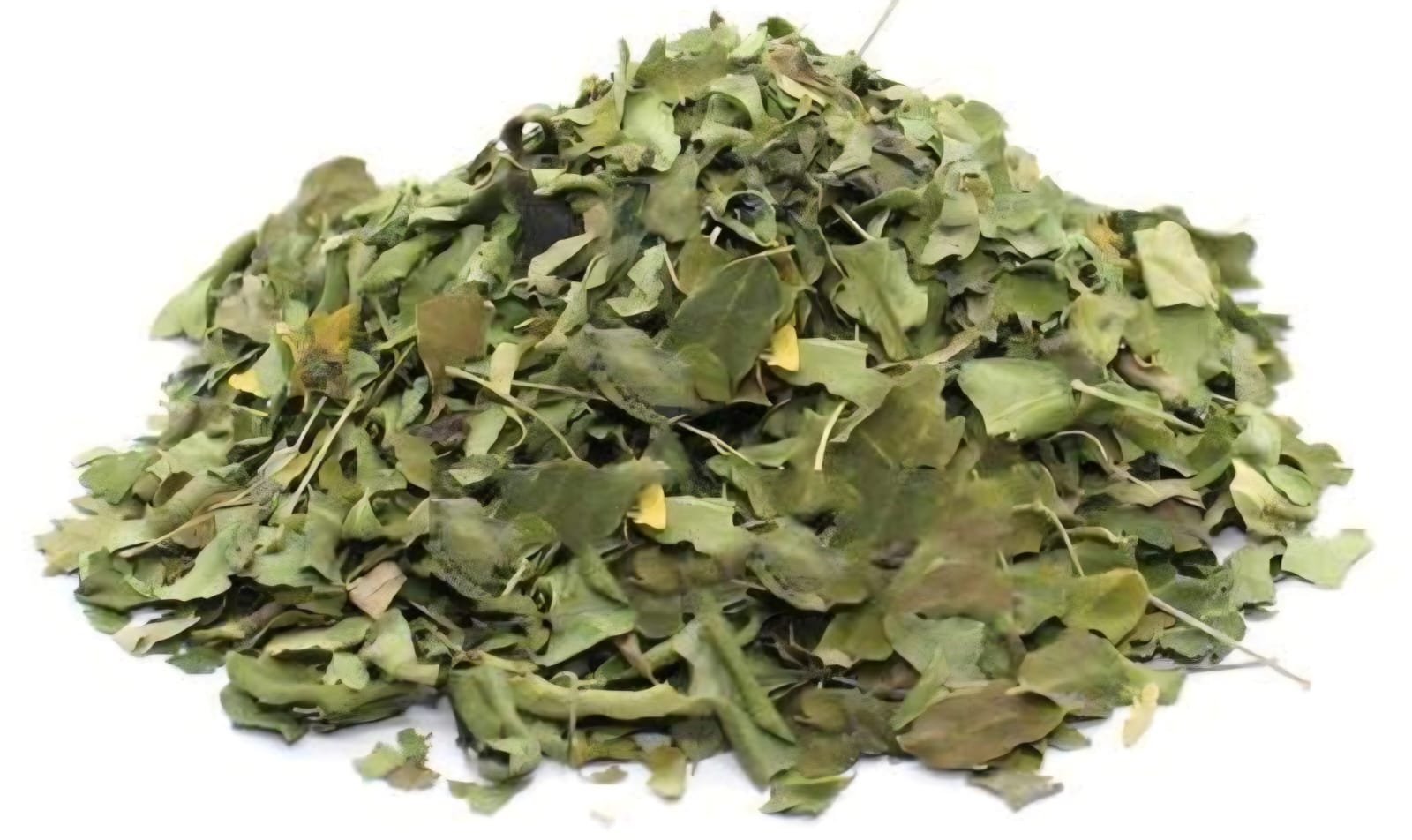
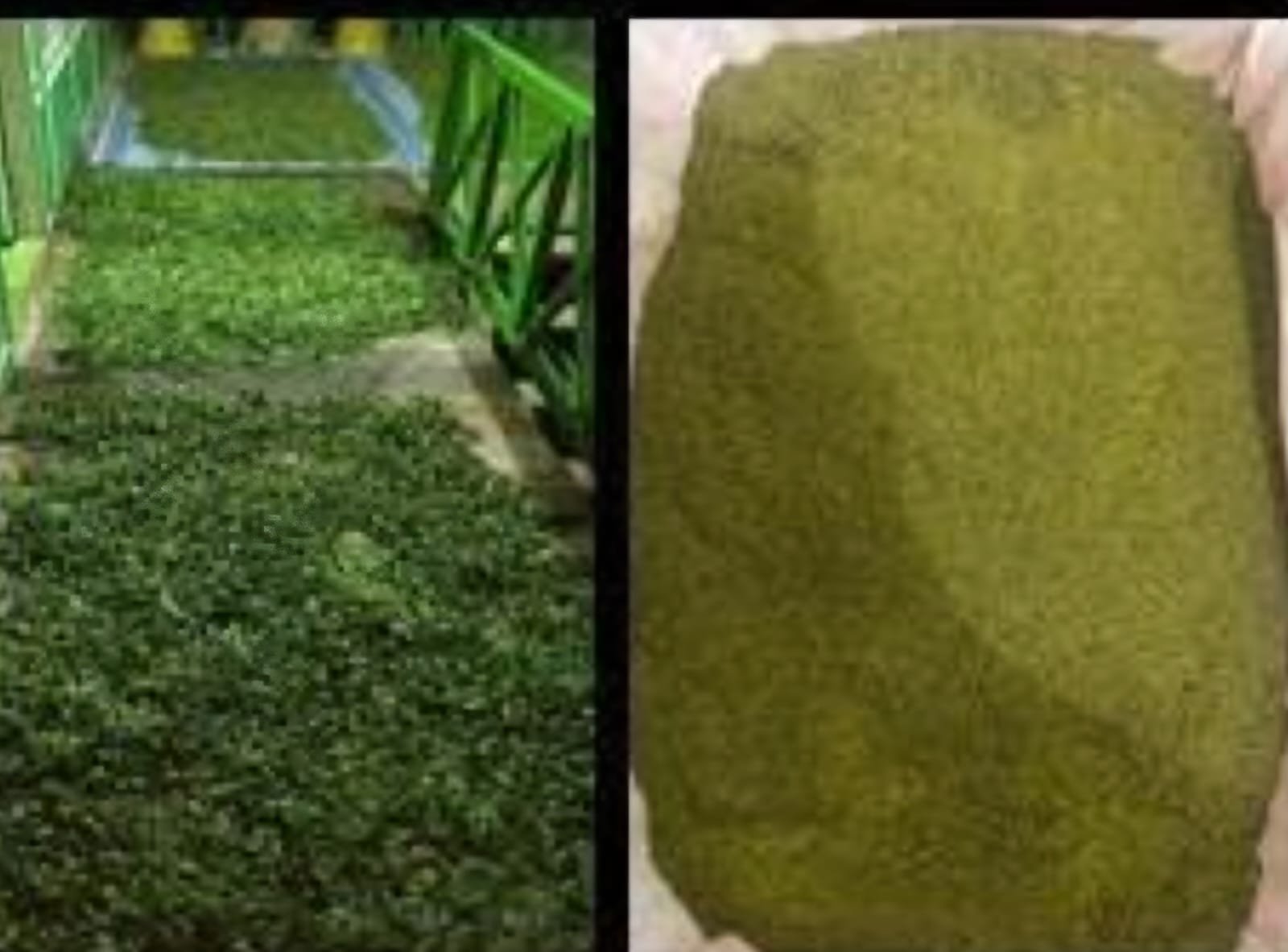
Moringa grown for leaf powder requires careful attention to leaf quality from cultivation through processing. Healthy leaves are harvested and handled properly before being cleaned, dried and processed into a fine powder.
Good agricultural practices, hygienic handling and suitable storage conditions are important for maintaining the quality of the finished Moringa Leaf Powder.
Sustainable Moringa Farming
Sustainable farming practices can help improve soil health, conserve resources and support long-term agricultural productivity. Depending on local conditions, farmers may focus on efficient water management, responsible nutrient application, soil conservation and appropriate crop management techniques.
Using suitable agricultural practices from cultivation to harvesting can also help maintain consistent raw material quality for moringa-based products.
Why Moringa Farming Is Important
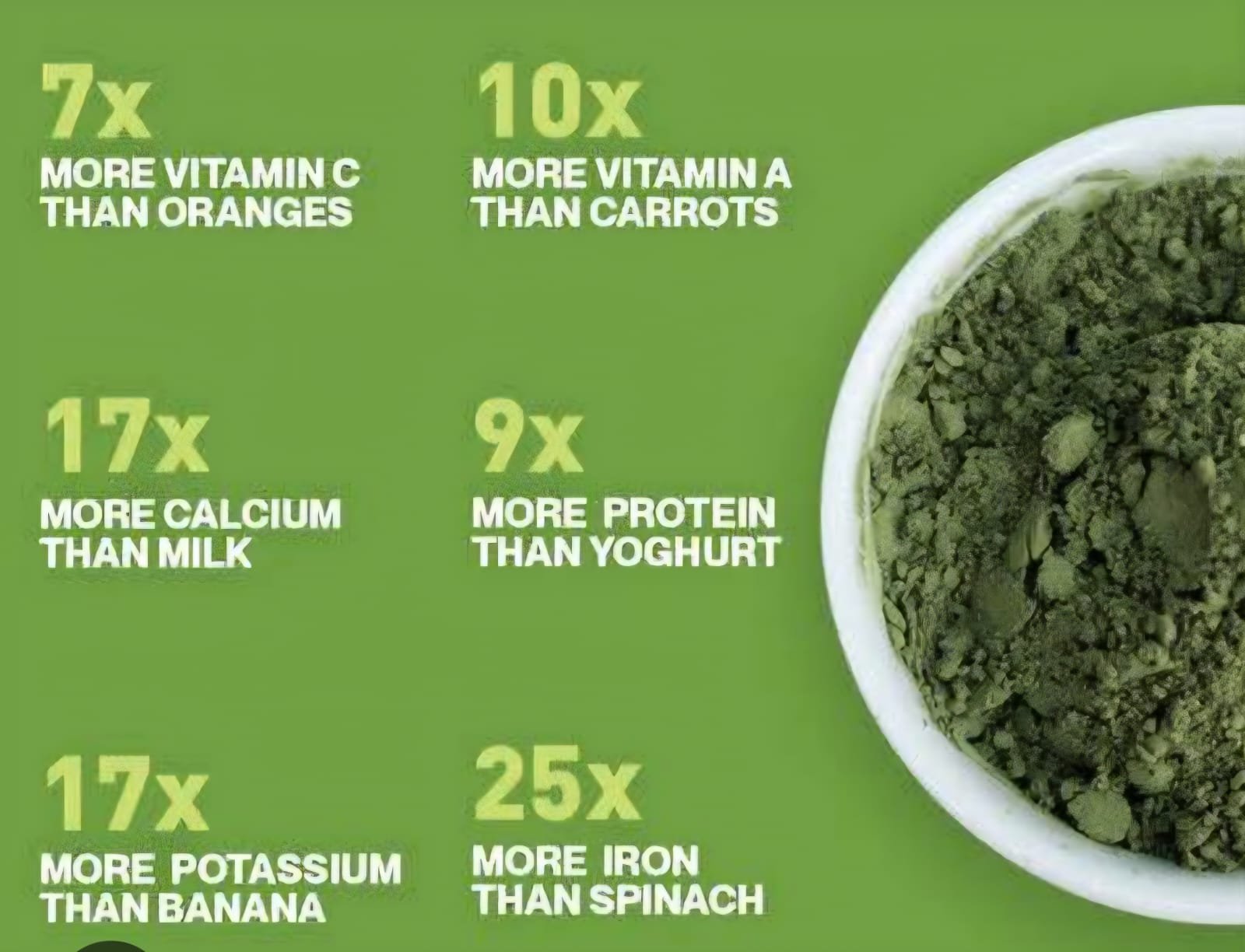
Moringa is a versatile crop with applications across food, nutrition and agricultural industries. Its leaves, pods and seeds can be utilized in different ways, creating opportunities for farmers and businesses involved in moringa cultivation and processing.
The growing interest in plant-based ingredients has also increased attention toward moringa and its various applications.
From Moringa Farm to Moringa Powder
Producing quality moringa powder begins with good-quality raw material. Proper cultivation, harvesting, cleaning, drying, grinding, and storage all play an important role in the final product.
At Salvia Spices, our focus is on quality natural ingredients and carefully selected products. Understanding the journey from moringa cultivation to finished moringa powder helps customers appreciate the importance of responsible sourcing and proper processing.
Frequently Asked Questions
Moringa farming is the cultivation of Moringa oleifera for its leaves, pods, seeds and other useful plant parts.
Moringa generally grows well in warm and tropical climates with good sunlight and suitable drainage.
Well-drained soil is generally preferred for moringa cultivation. Soil testing can help farmers understand local soil conditions and nutrient requirements.
Harvesting depends on the intended use. Leaves and young shoots can be harvested for leaf production, while pods are harvested when they reach the appropriate maturity.
Yes. Moringa can be cultivated specifically for its leaves, which can then be cleaned, dried and processed into moringa leaf powder.
With appropriate agricultural practices, efficient water management, responsible nutrient use, and proper soil management, moringa farming can be incorporated into sustainable agricultural systems.